The Indian shirts for women in the Fabindia Roma collection tell different ways of living hand-print...
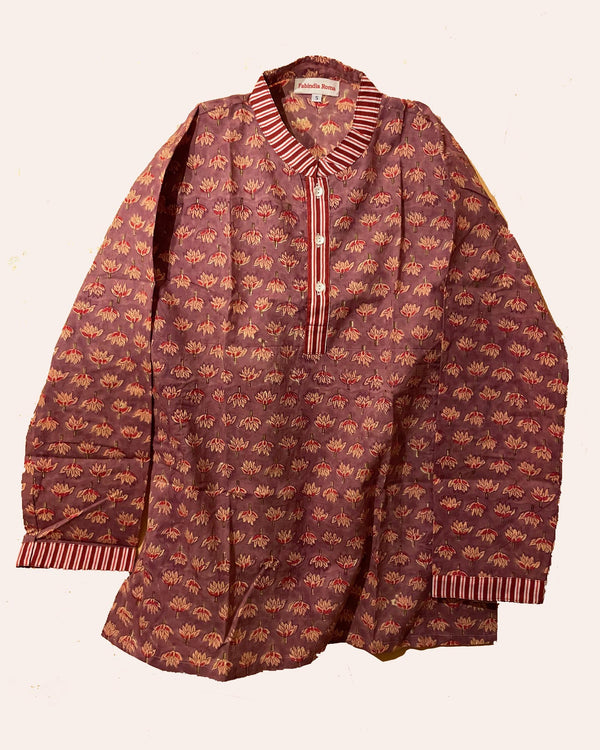
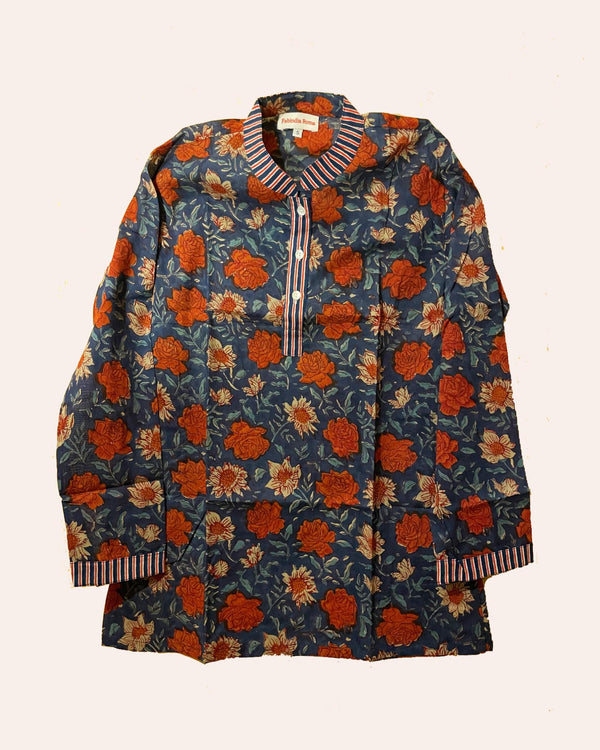
The Indian shirts for women in the Fabindia Roma collection tell different ways of living hand-printed cotton. Distinct lines — Bibi, Pintuck, Ata Kurta — all united by the same material: Indian cotto...
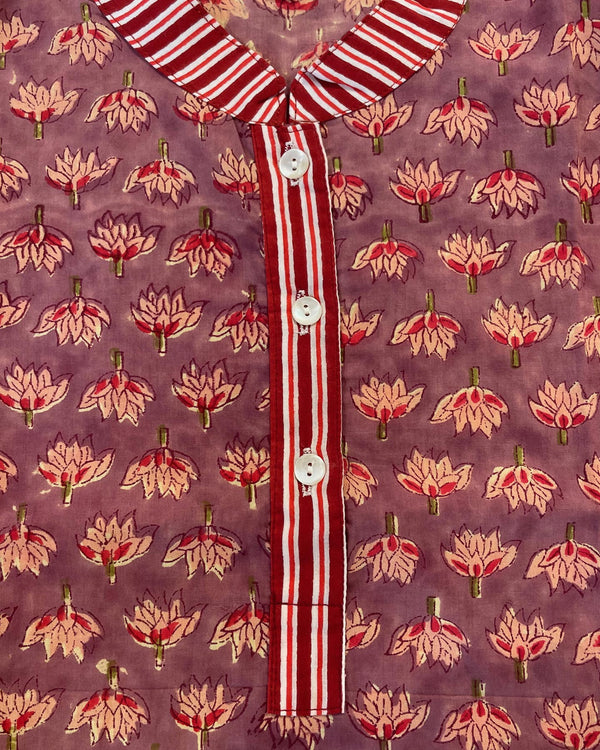
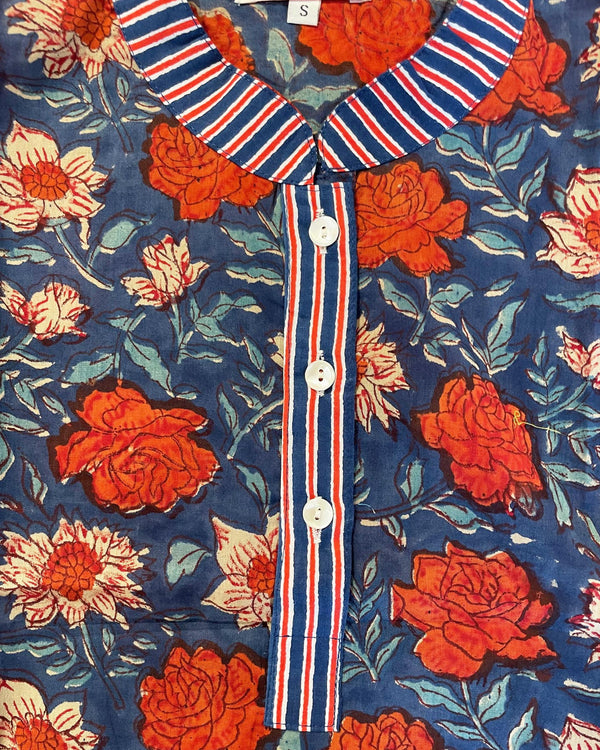
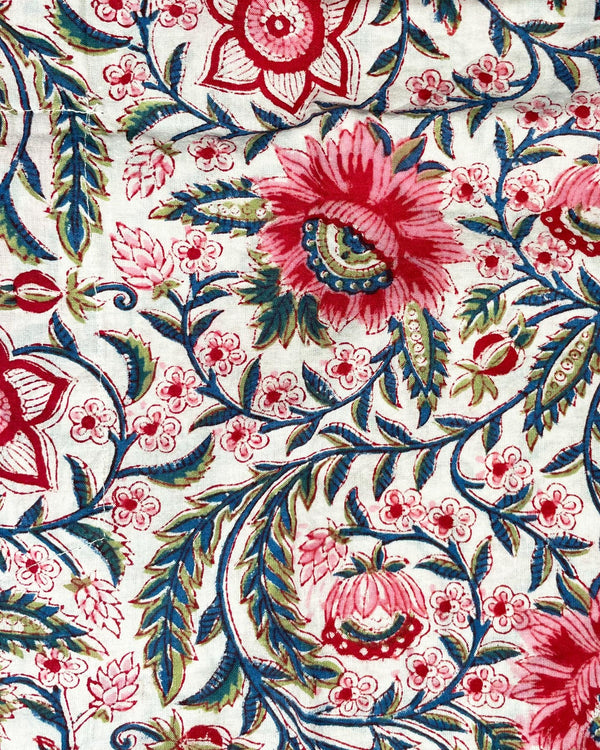
The Indian shirts for women in the Fabindia Roma collection tell different ways of living hand-printed cotton. Distinct lines — Bibi, Pintuck, Ata Kurta — all united by the same material: Indian cotton printed with the block print technique.
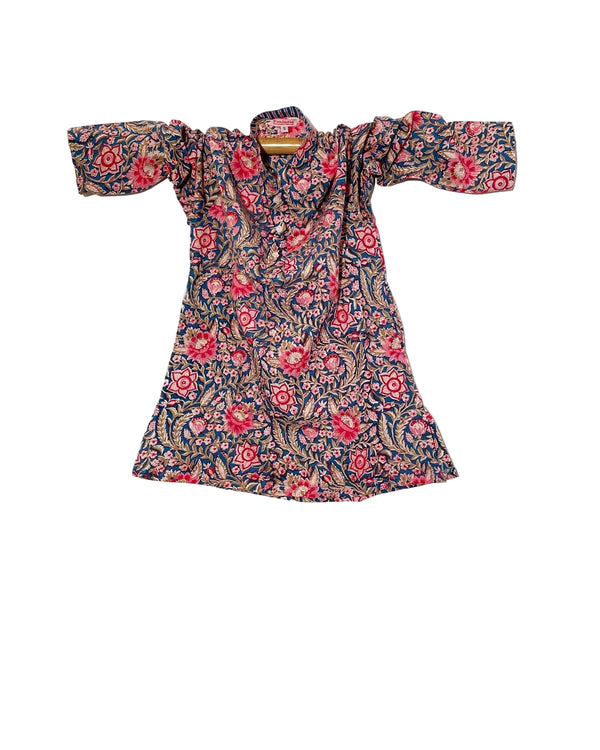
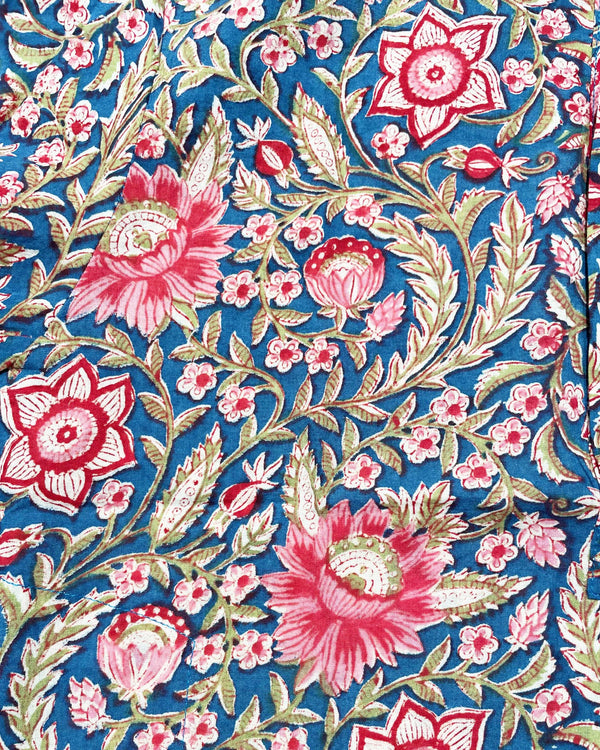
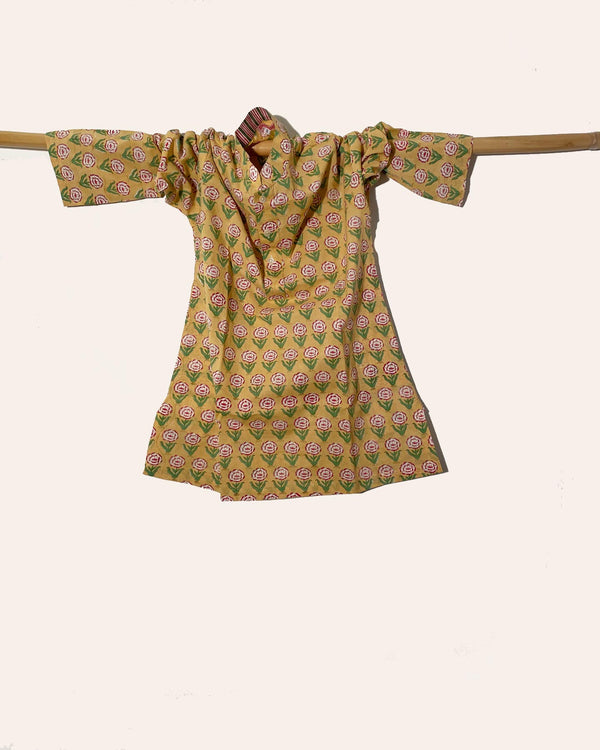
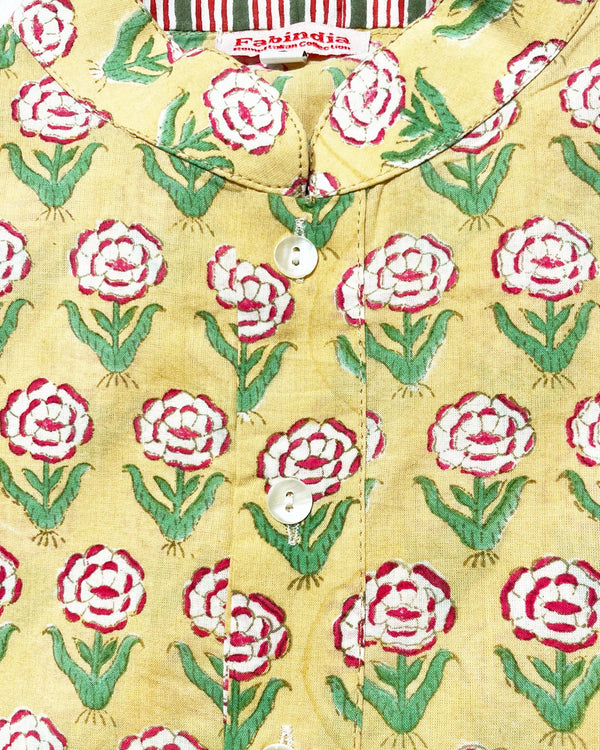
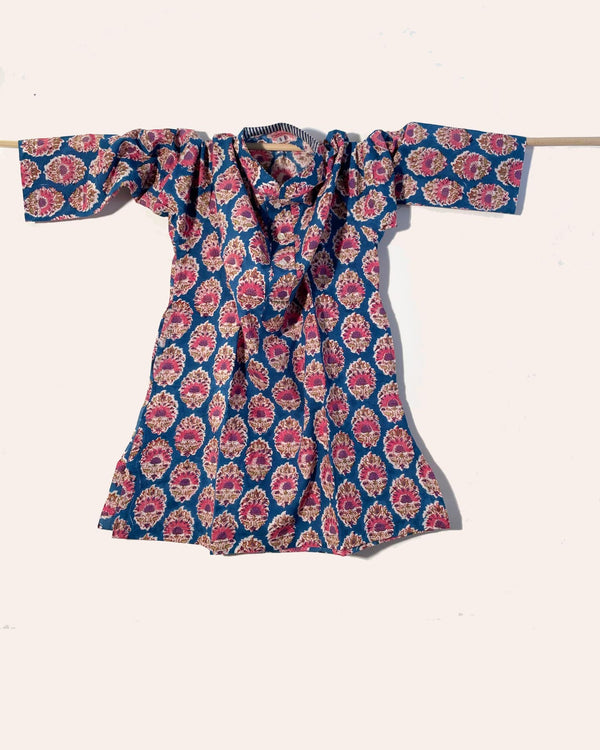
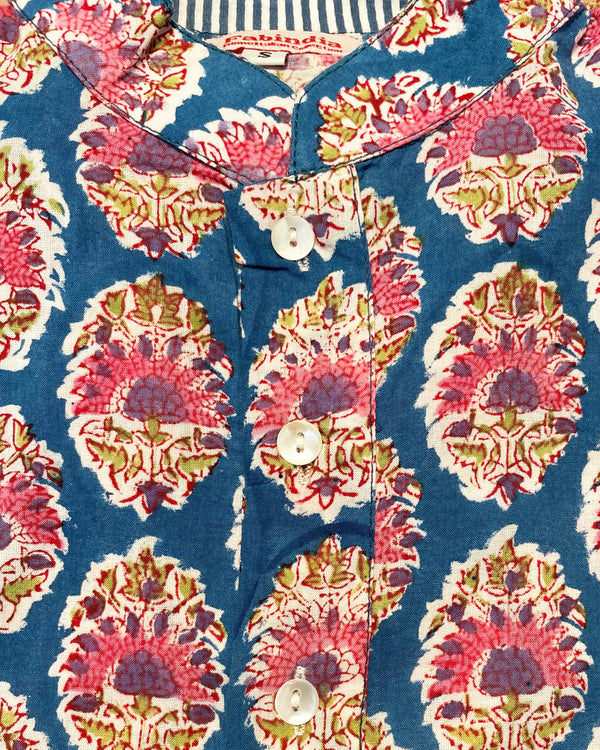
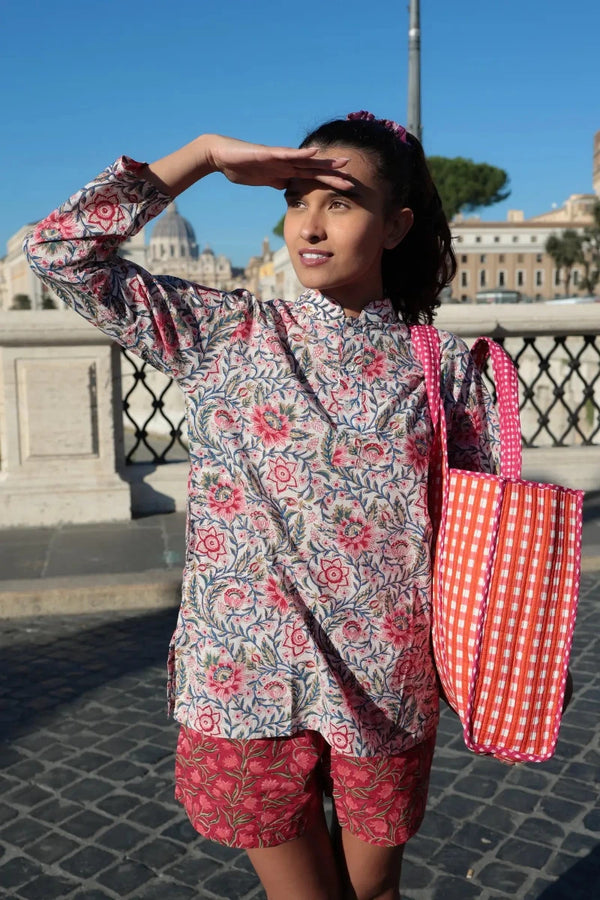
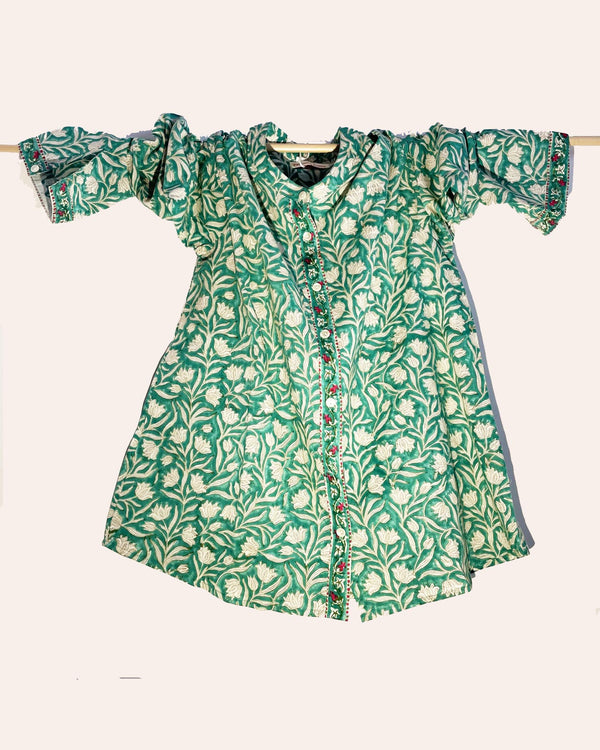
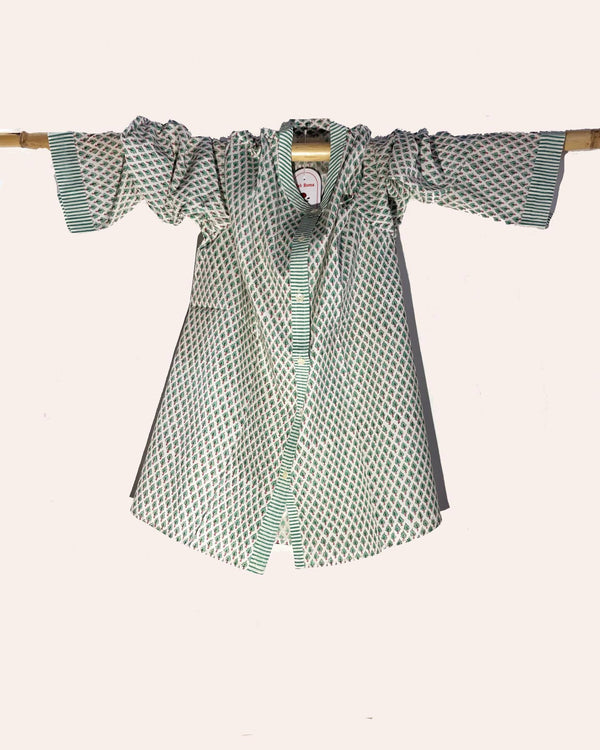
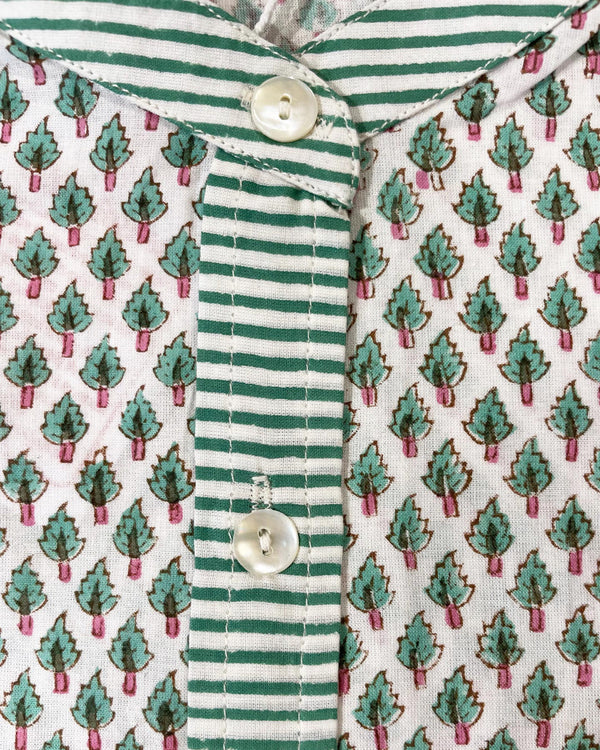
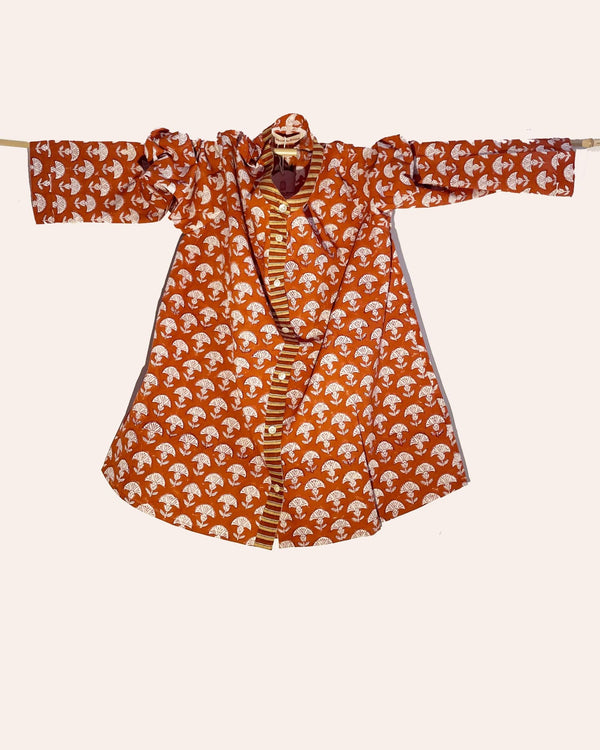
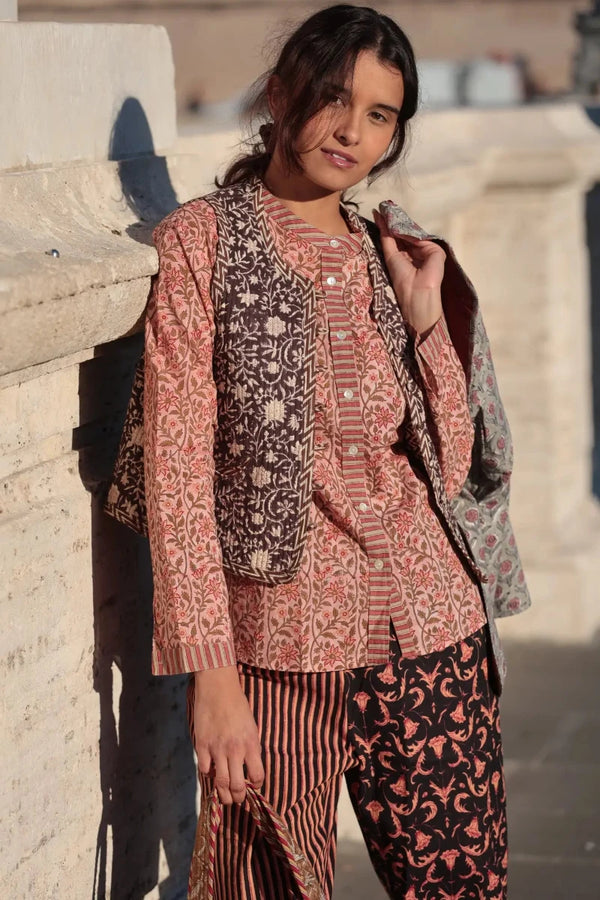
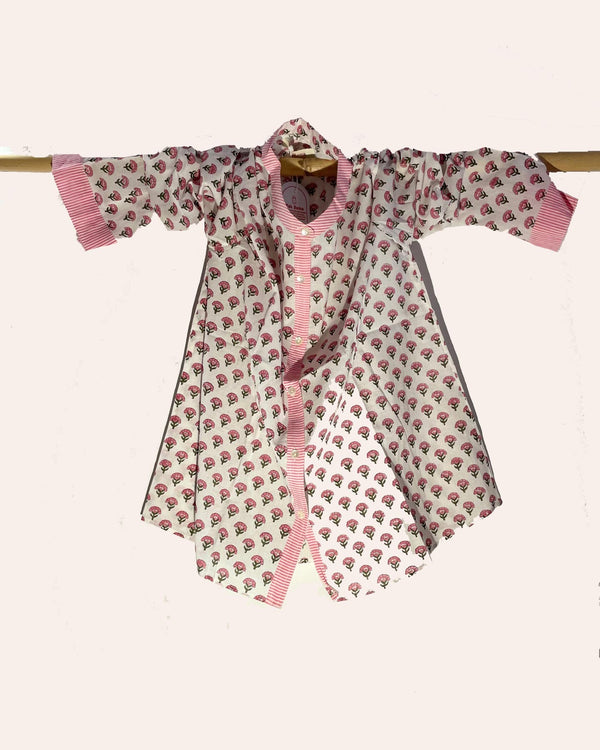
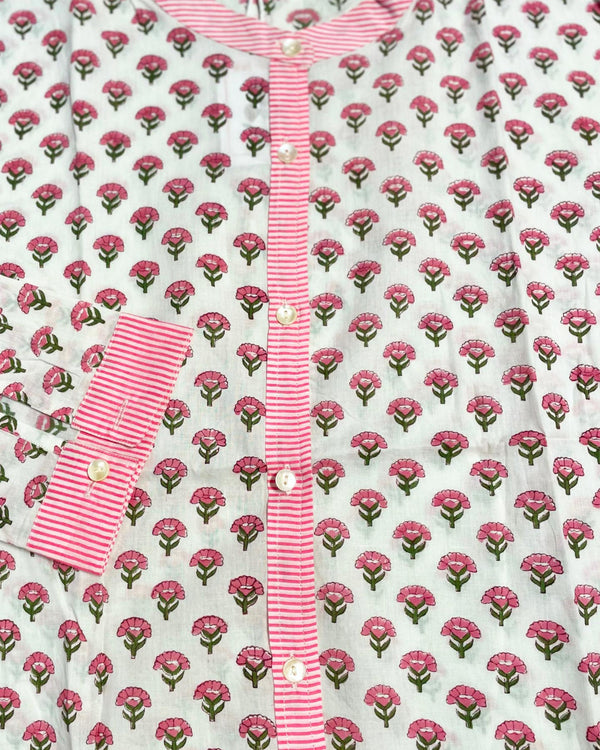
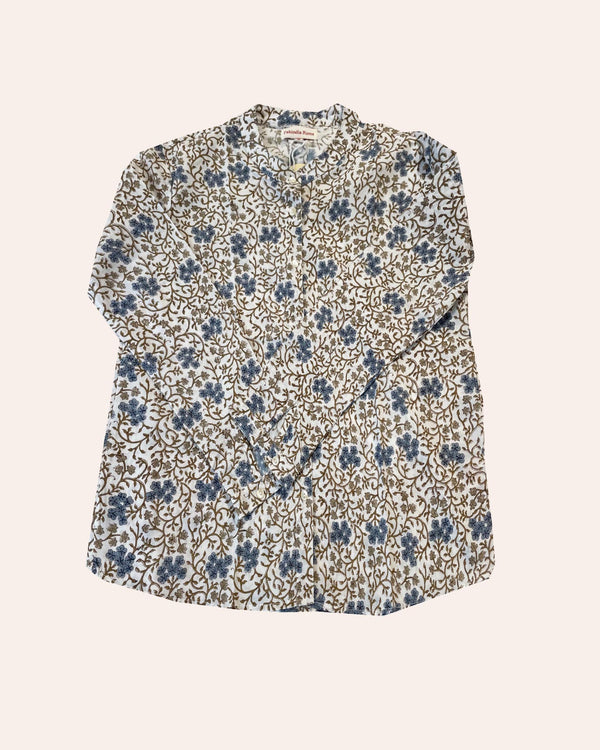
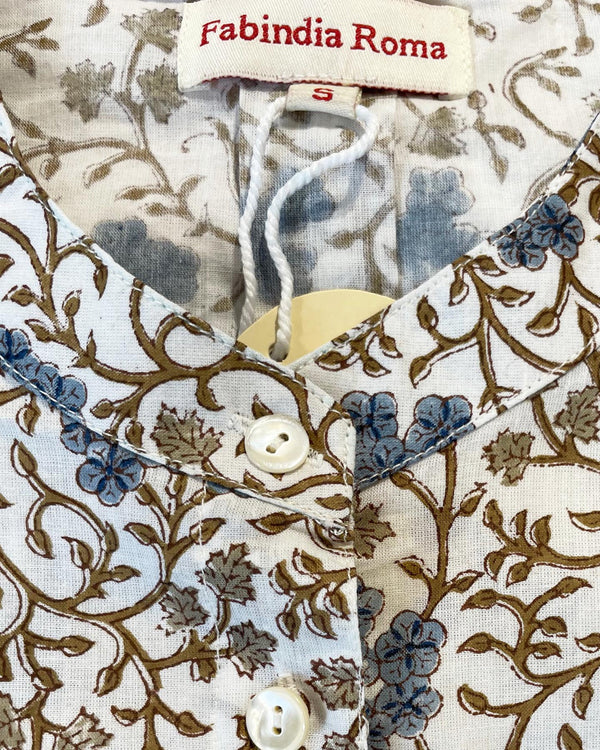
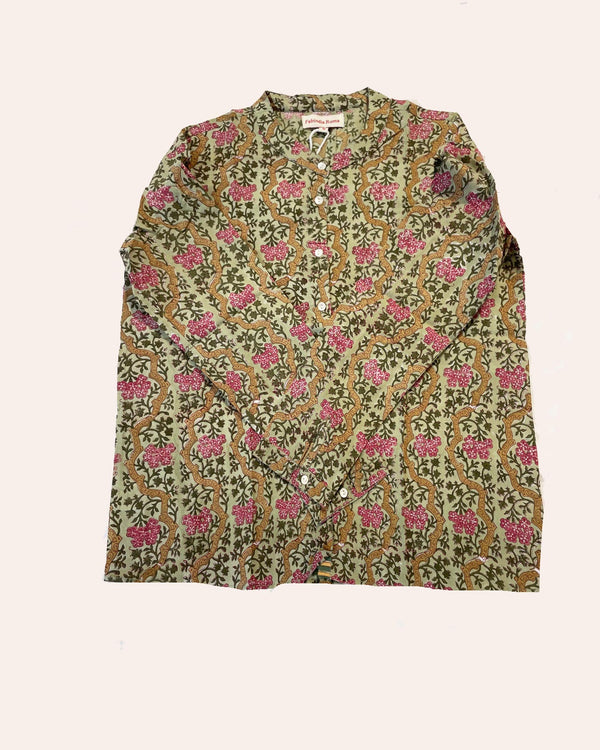
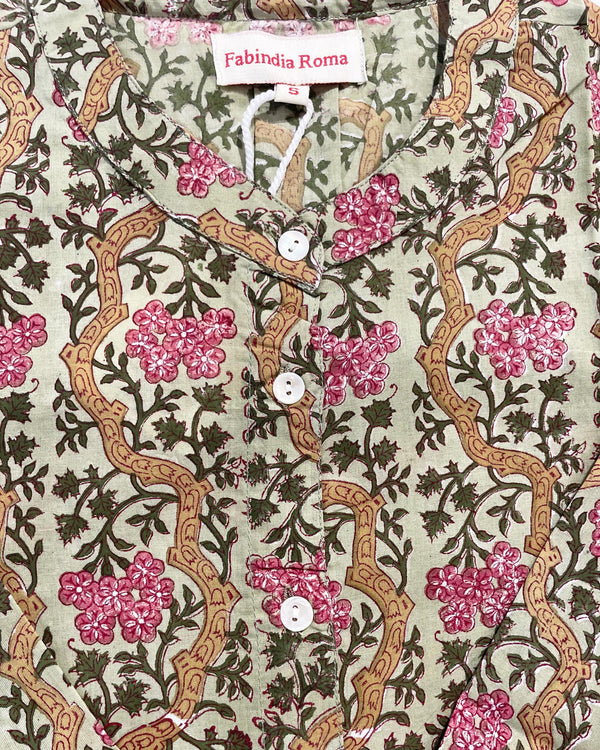
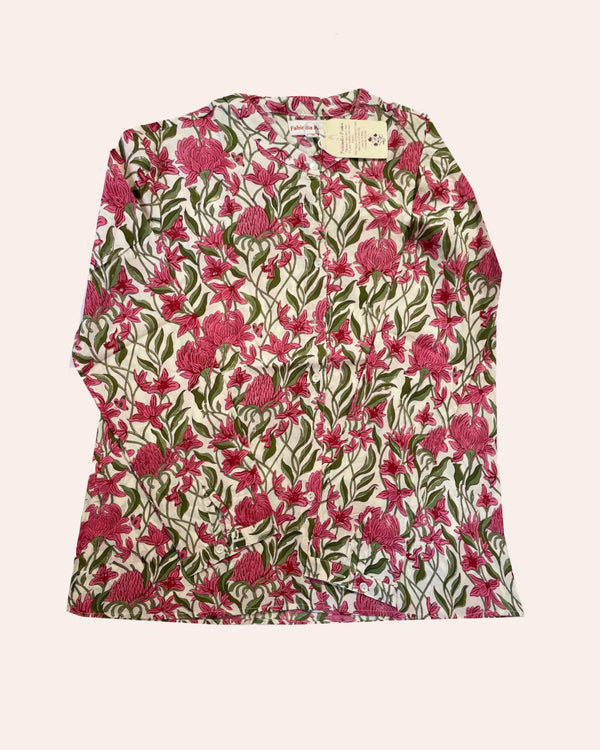
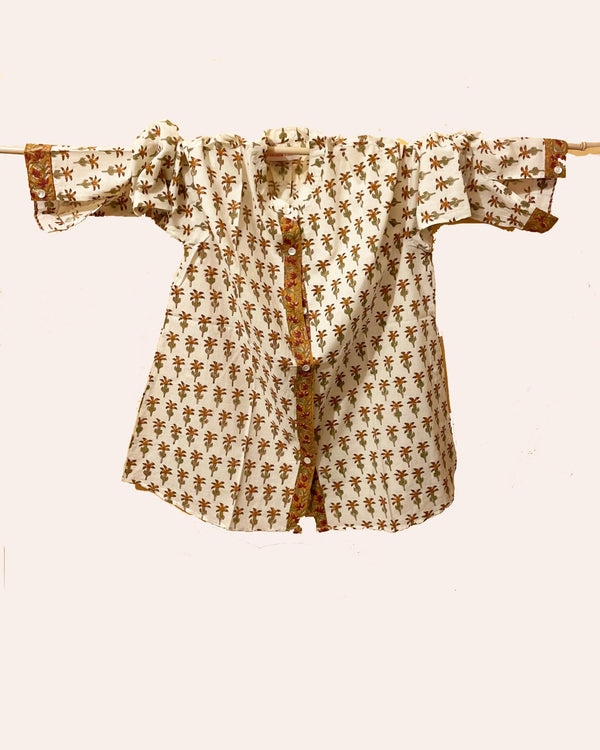
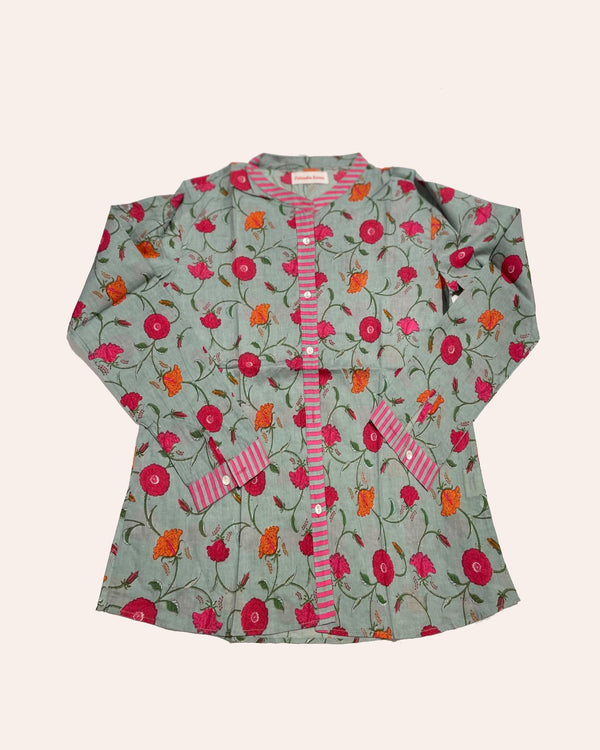
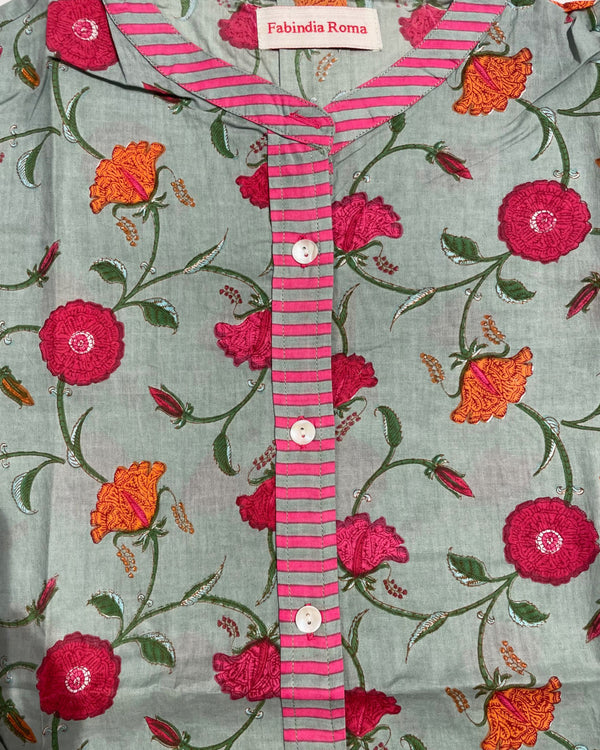
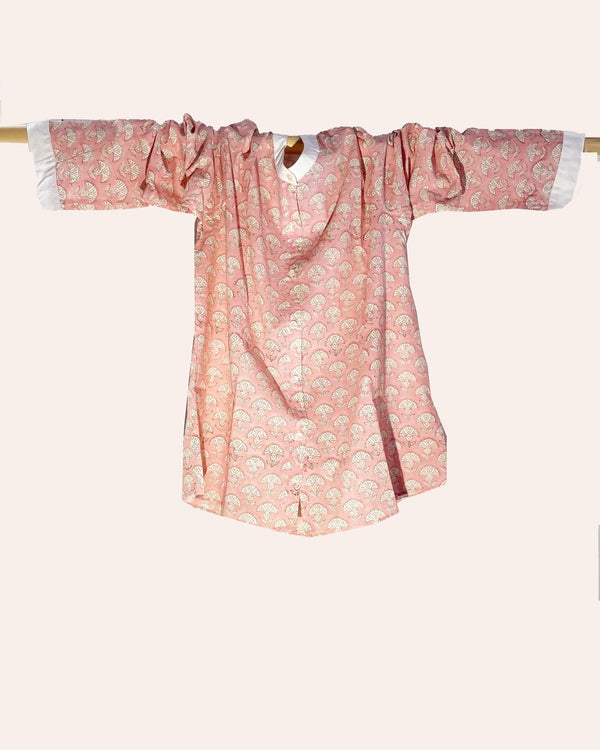
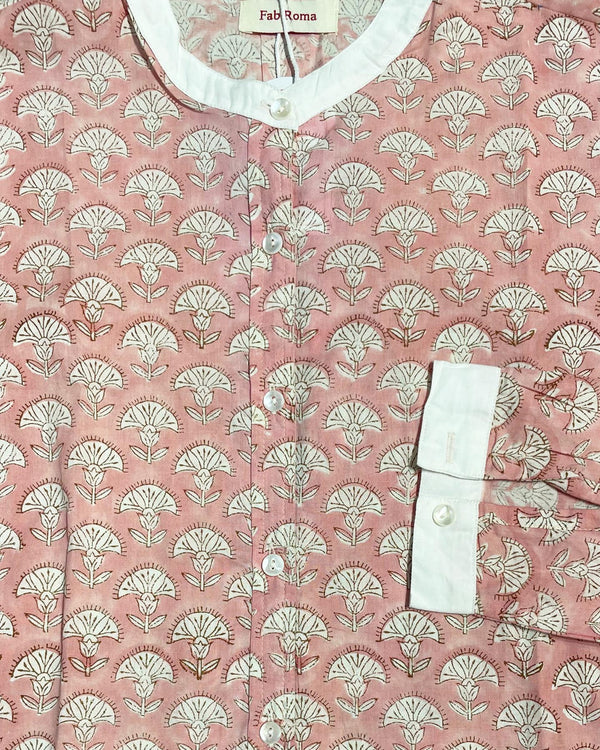
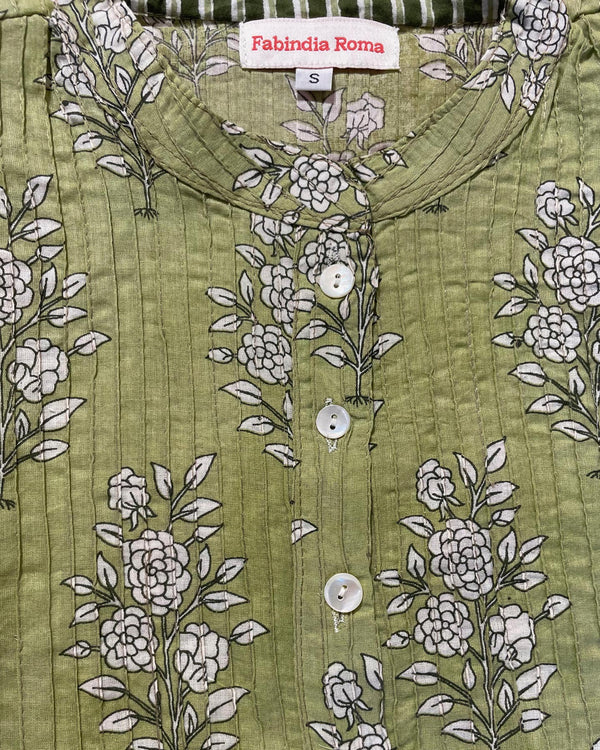
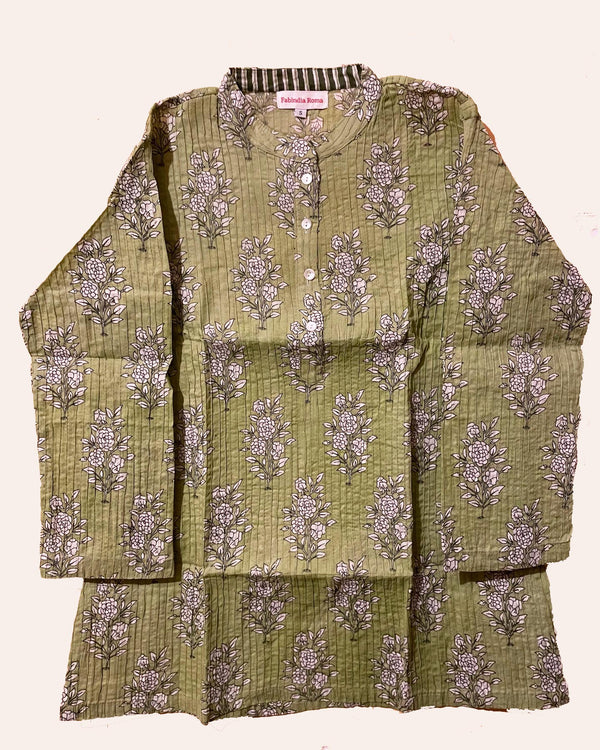
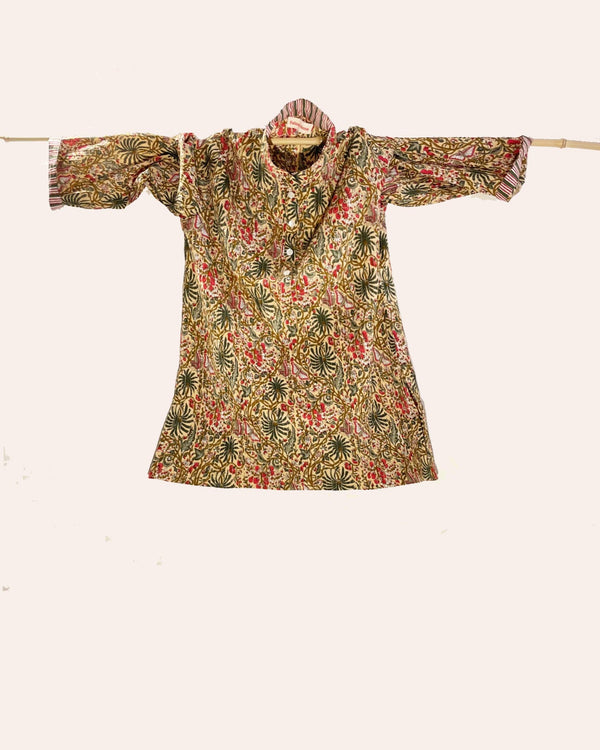
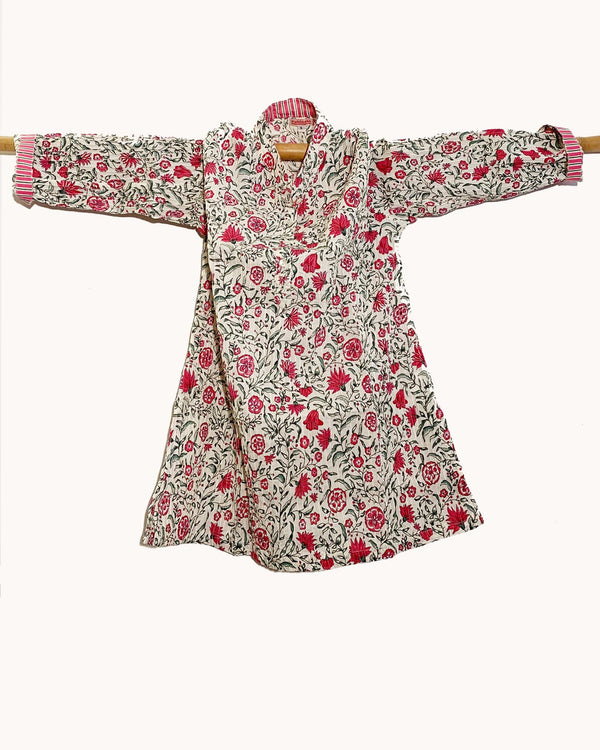
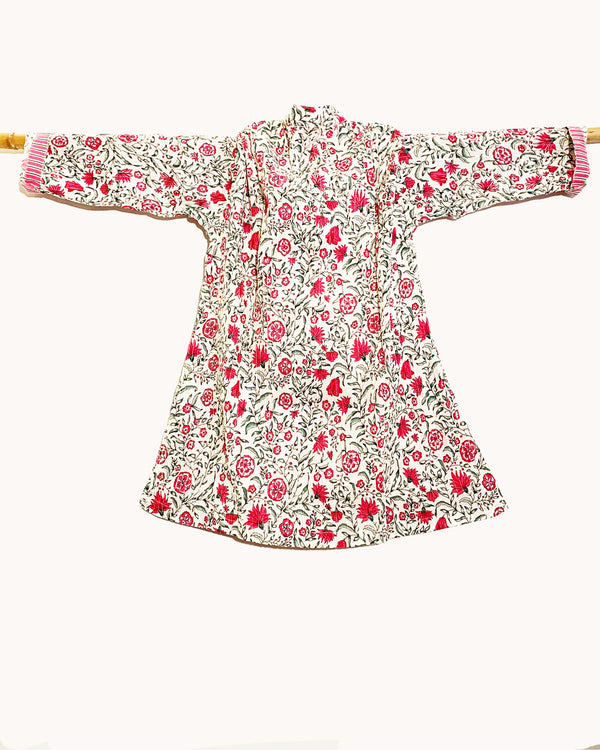
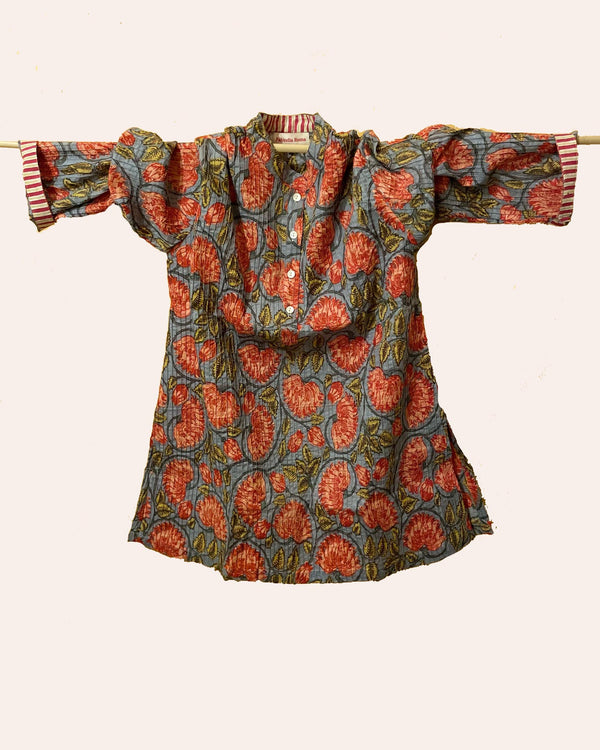
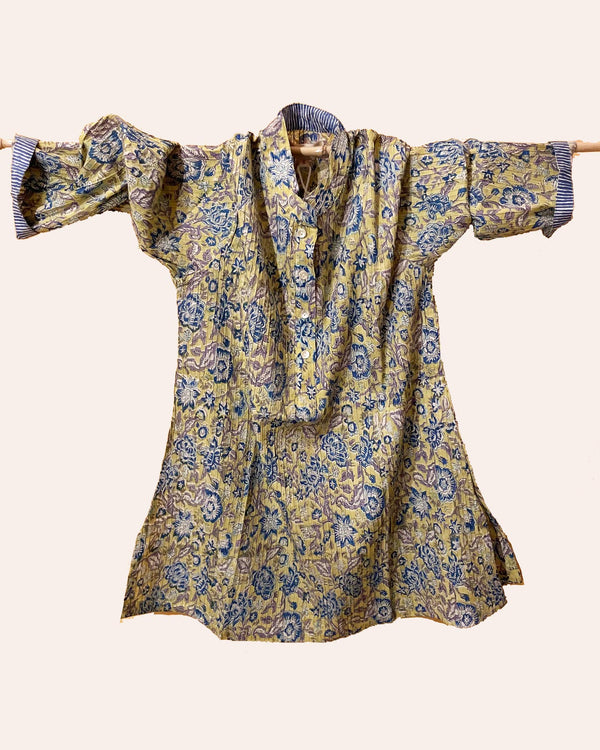
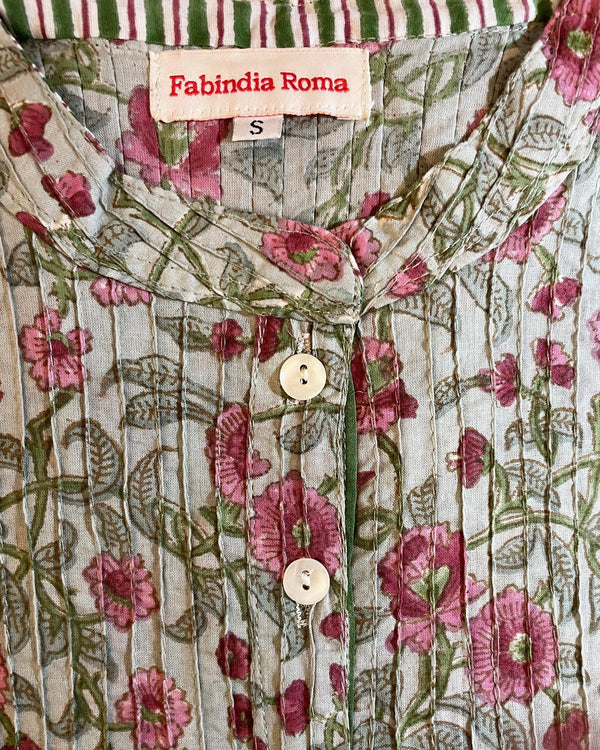
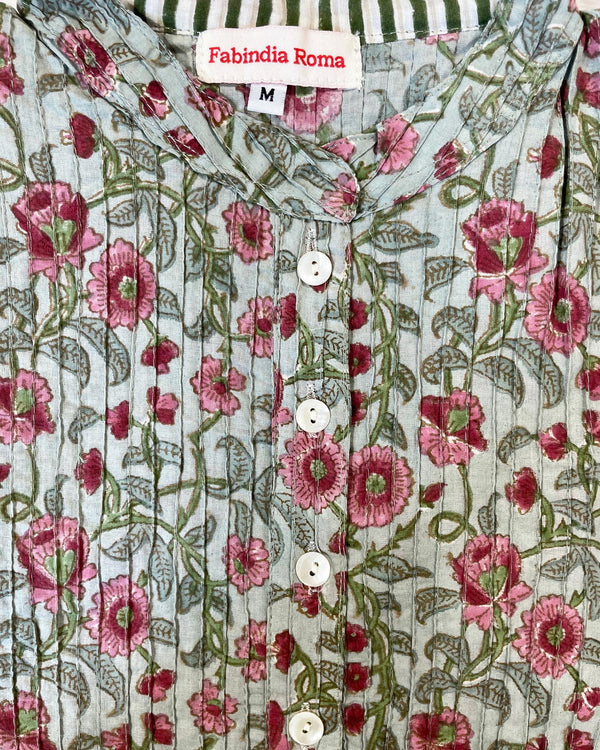
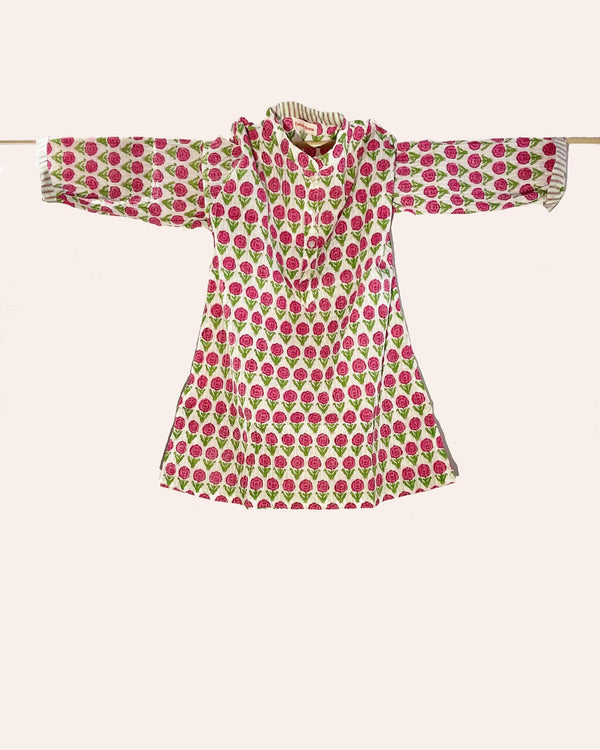
The Bibi line offers Indian shirts for women with a soft cut and open collar, in patterns ranging from botanical to geometric: the Bibi Arbre shirt in block print cotton with its green-on-ivory motif, the Bibi Fiordaliso shirt with pink flowers, the Bibi Agra with Mughal flowers and the Bibi Budleia with its botanical motif. Every Bibi shirt is a variant of the same model, with a different print that completely changes its character.
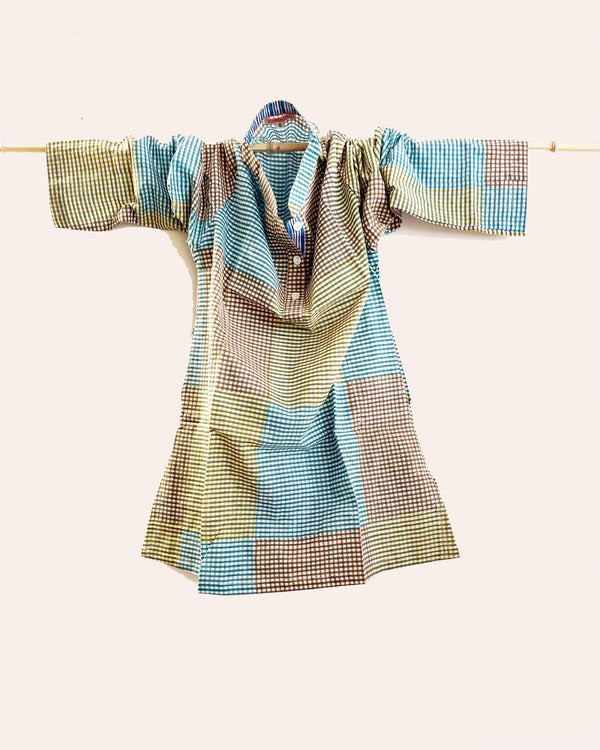
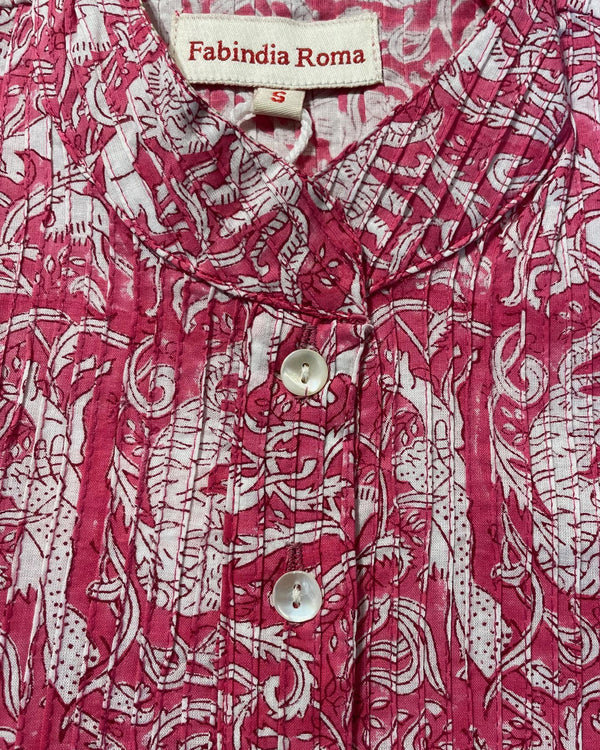
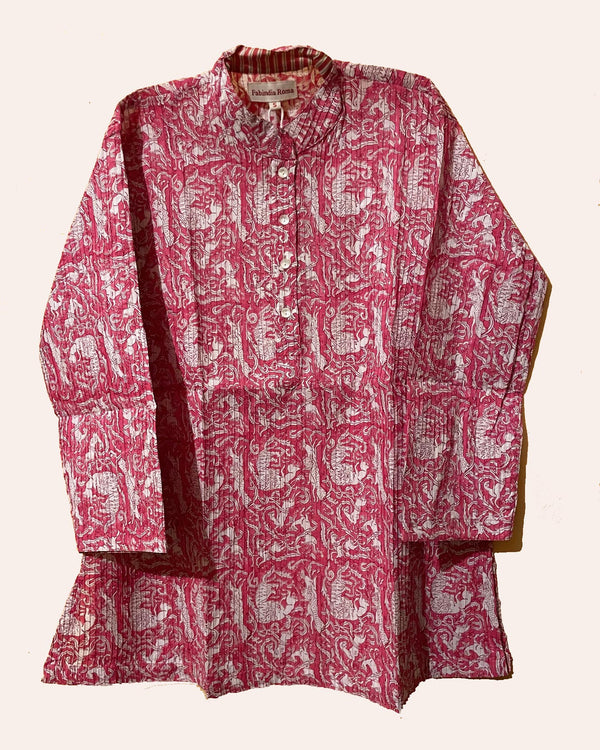
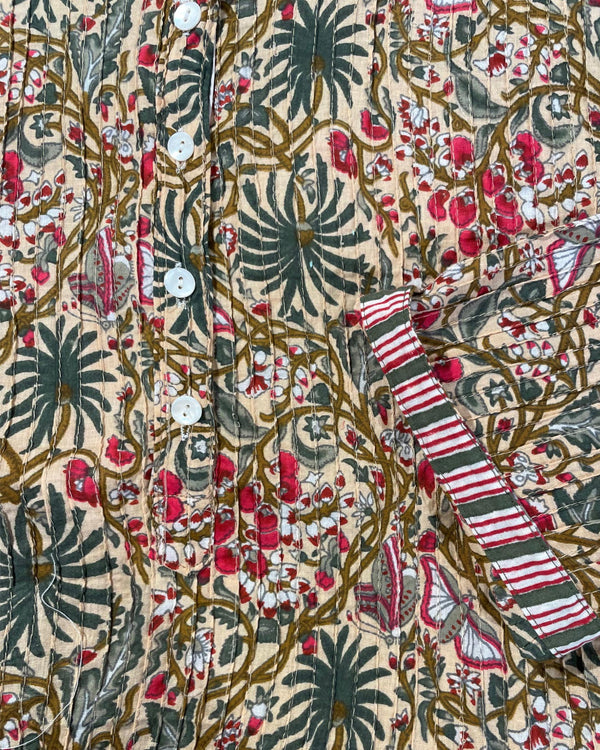
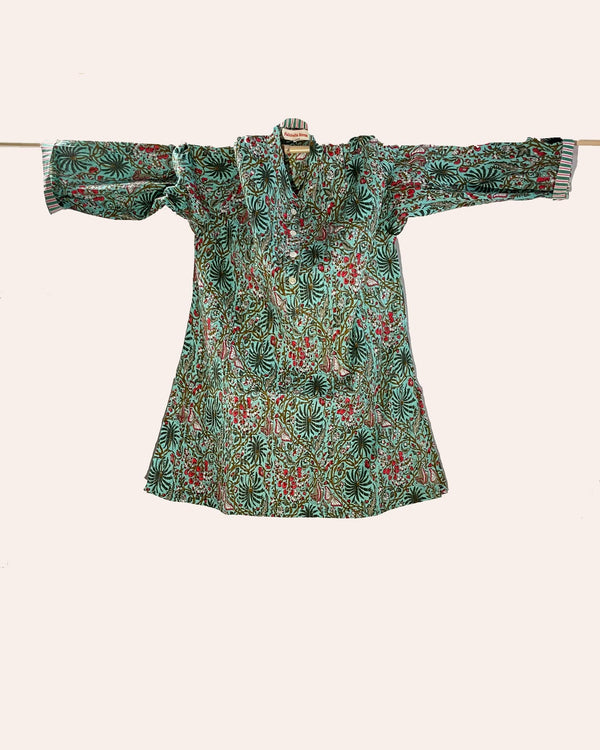
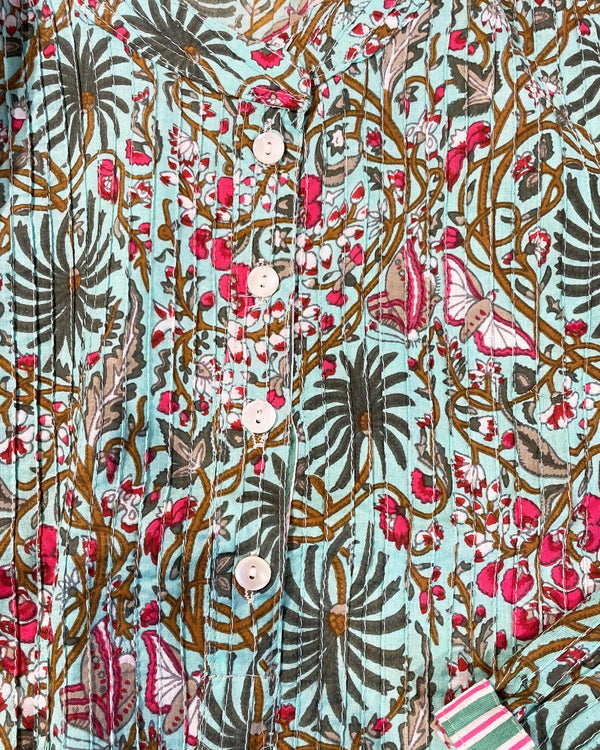
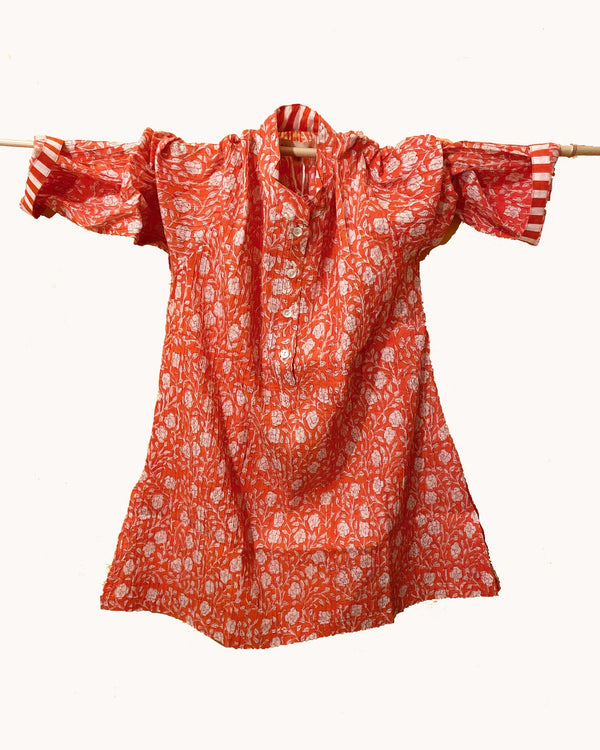
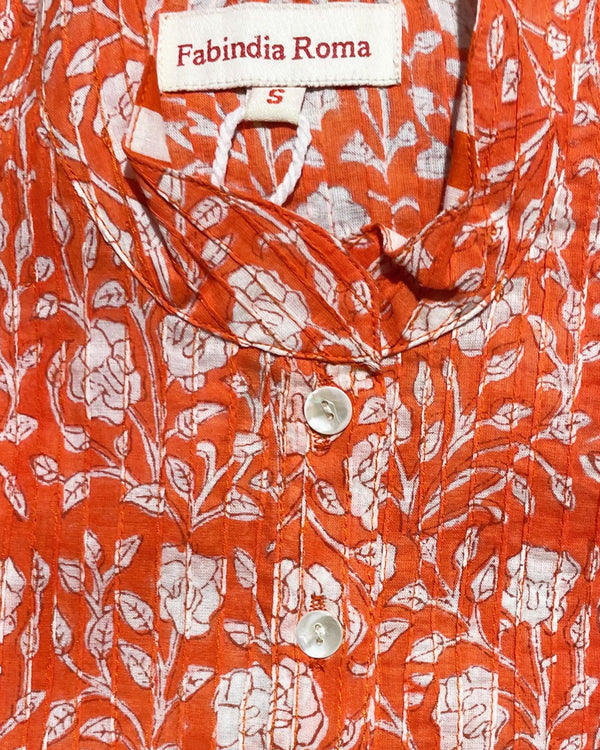
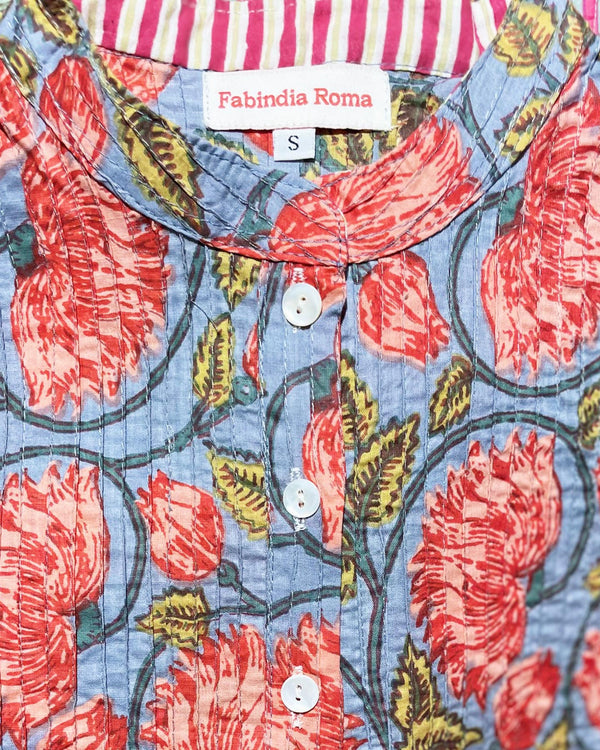
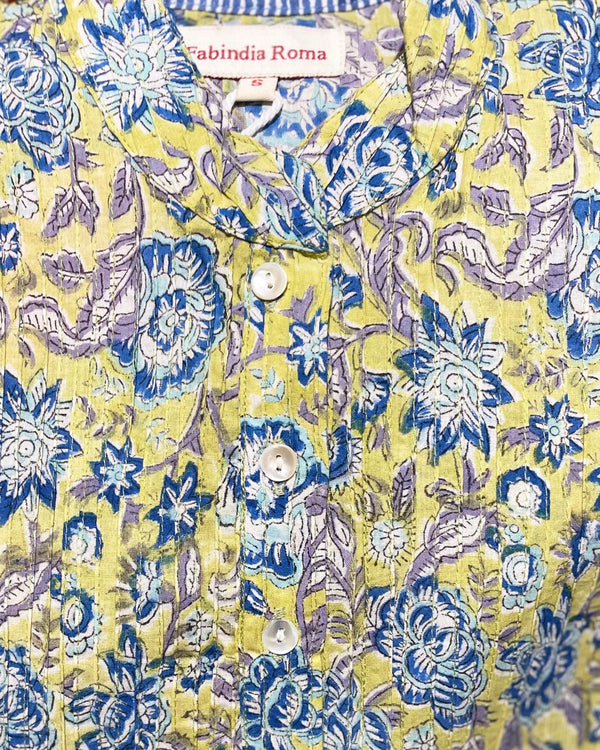
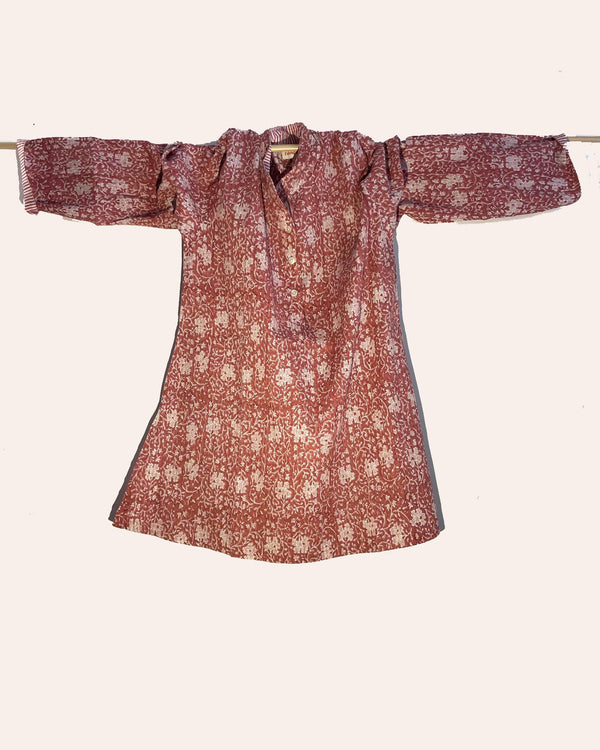
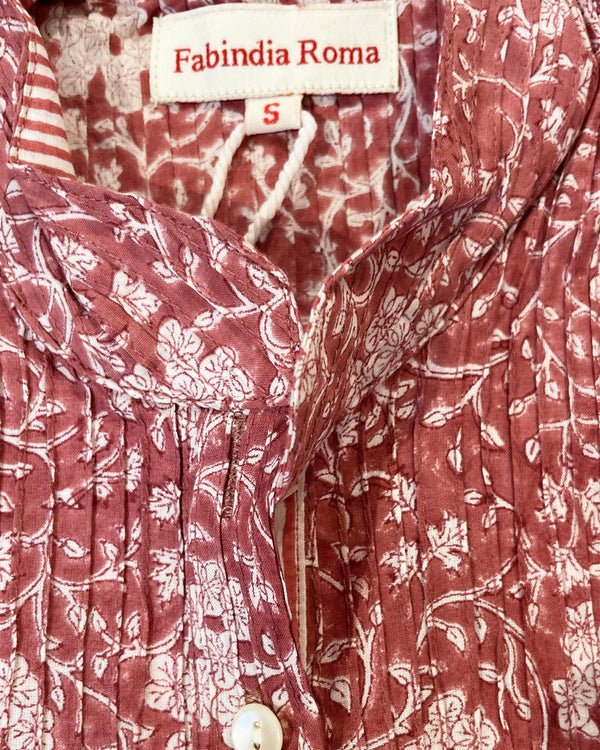
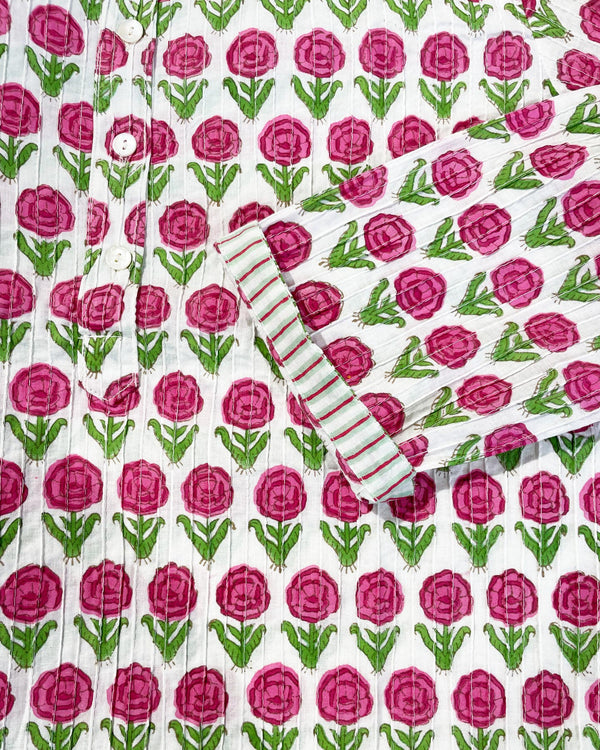
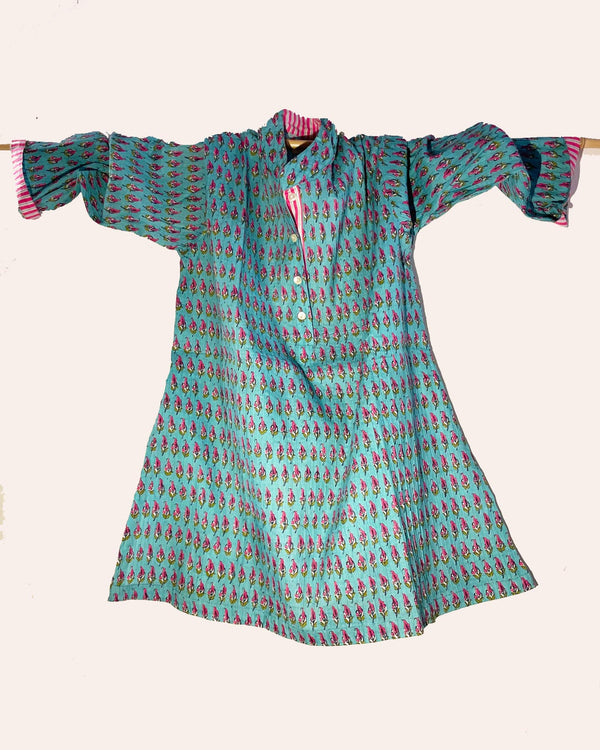
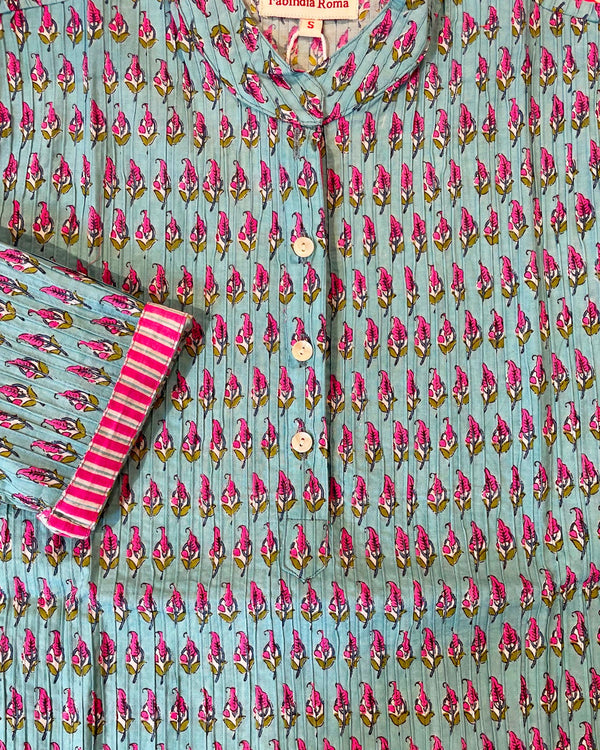
The Indian shirts for women in the Pintuck line are distinguished by vertical pleated stitching running down the chest, adding texture to the printed cotton. The Pintuck Rose shirt, the Pintuck Jungle Turquoise with tropical leaves and the Pintuck Sunny Day with fuchsia roses show how the same cut comes alive in different patterns. The third line, Ata Kurta, brings the long silhouette of the Indian cotton kurta in multiple variants: from the Ata Kurta Blu Majorelle to the Ata Kurta Daisy on mustard yellow.
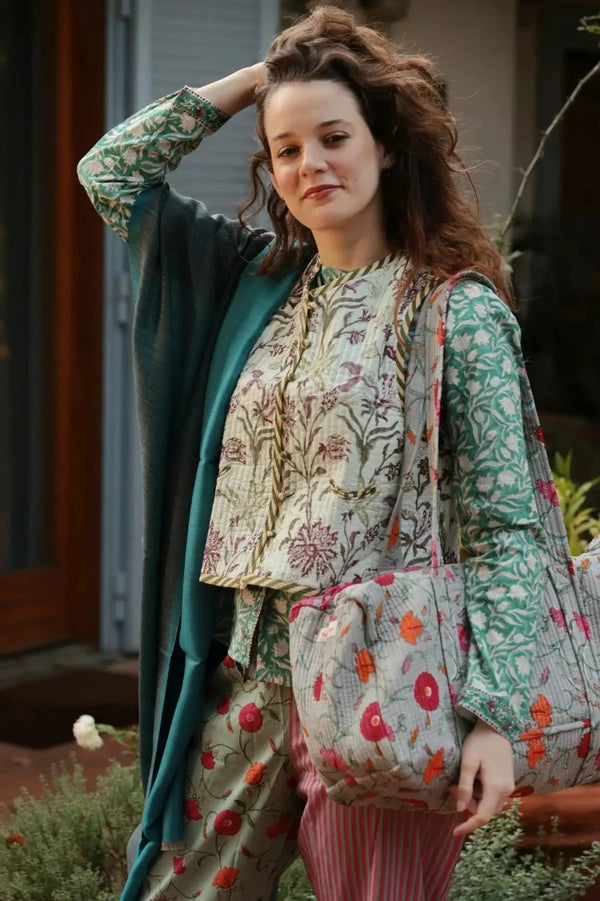
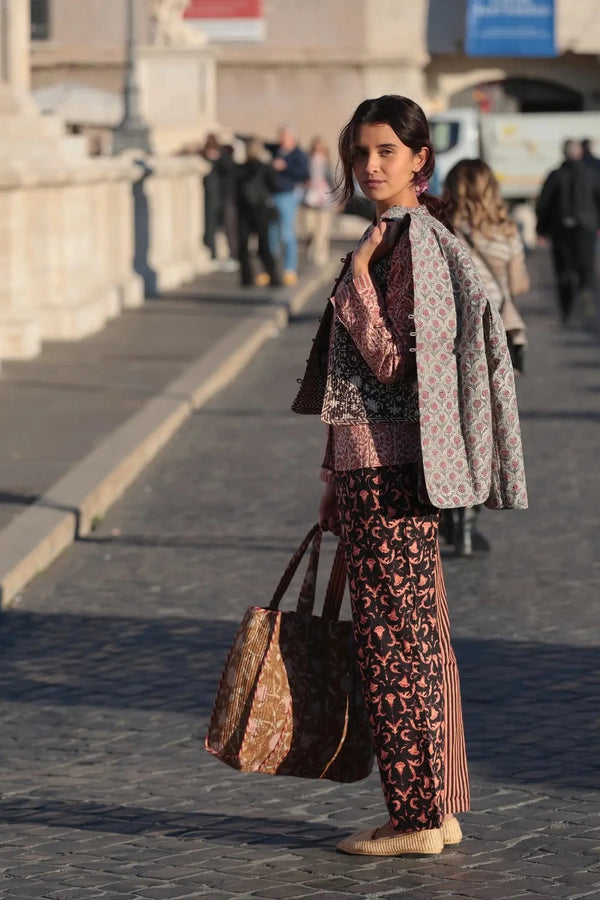
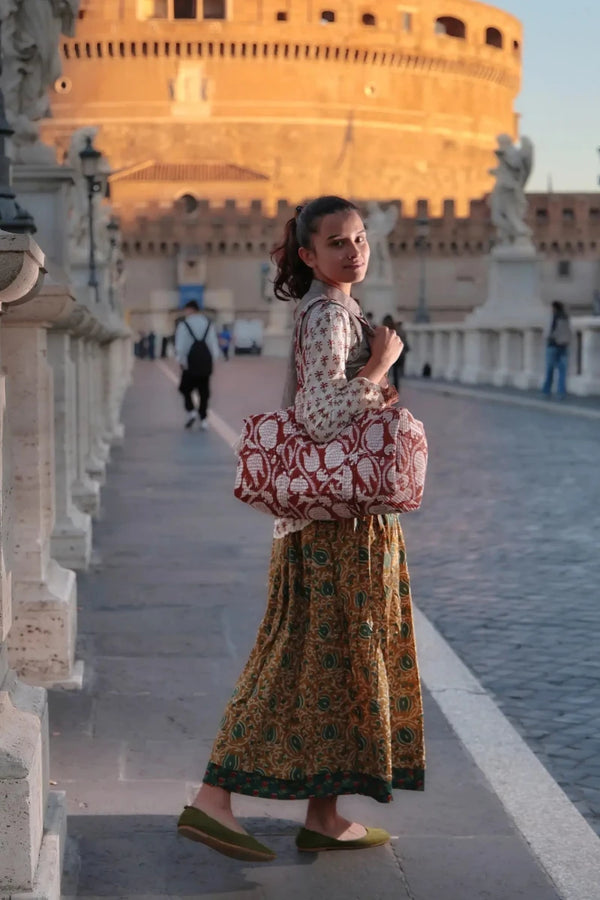
Indian shirts for women pair naturally with printed cotton skirts for an artisanal coordinate, or with Indian cotton shorts for a more relaxed look. An Indian cotton block print scarf adds colour, while an Indian cotton bag completes the ensemble with material coherence.
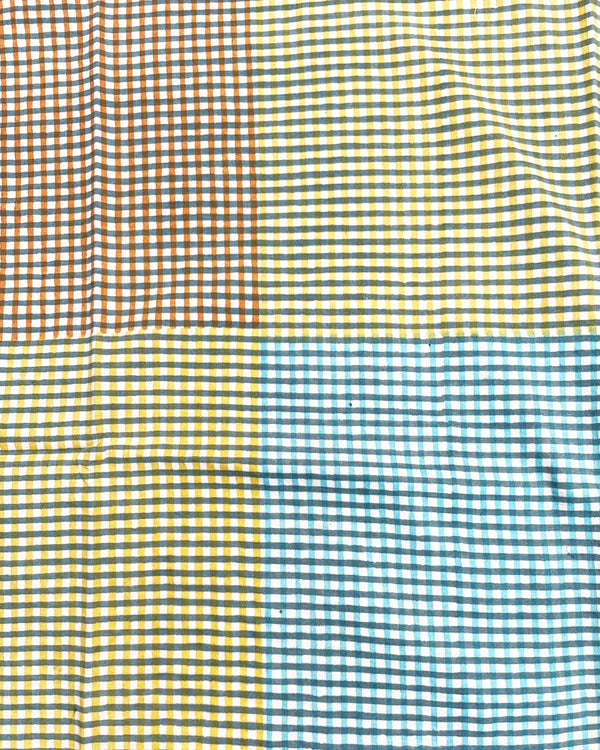
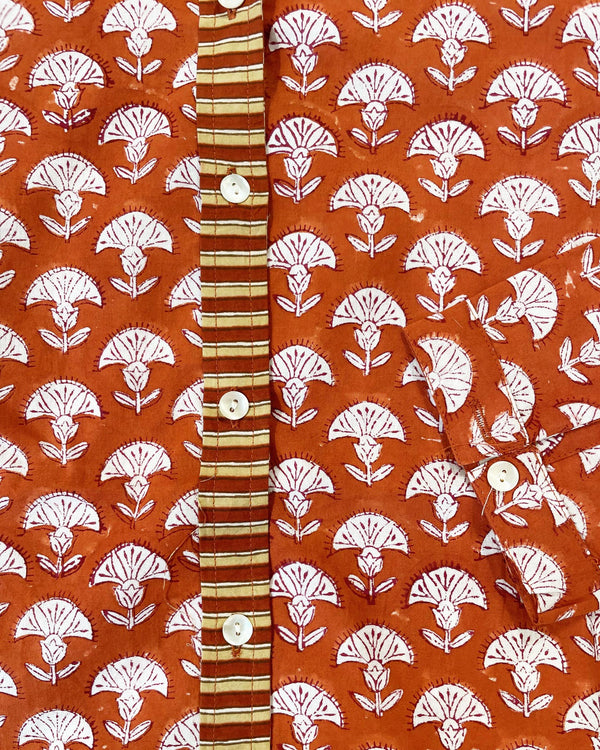
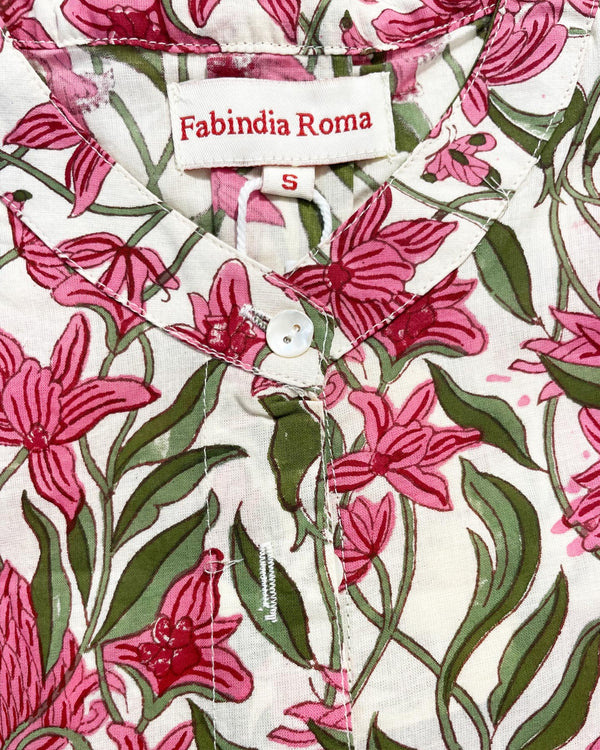
Every Indian shirt for women in the Fabindia Roma collection is the fruit of an artisanal process that begins with carving the wooden block and ends with pressing it by hand onto the cotton. At the boutique in Via del Banco di Santo Spirito 40, Indian shirts for women are chosen by touching the fabric and observing up close the small imperfections that make every print unique and unrepeatable.